



Luxury has always been more than just products; it represents a lifestyle, a statement of identity, and a reflection of personal values. But as the world evolves, so does luxury. Today’s discerning elite are not merely chasing status symbols—they seek experiences, ethics, and exclusivity powered by innovation. Sustainability, digital technology, and hyper-personalization are redefining what it means to be “luxury.”
For brands, staying ahead means understanding these shifts and aligning offerings with the evolving expectations of a new generation of consumers. The challenge lies in balancing timeless luxury with futuristic innovation. How do brands maintain prestige while embracing technology and ethical production? And for consumers, how can they navigate this new landscape where luxury is defined not only by rarity but by responsibility and experience?
This article explores the future of luxury, offering insights into sustainable practices, AI personalization, tech-driven experiences, and emerging trends among the global elite. Whether you are a luxury marketer, entrepreneur, or a curious connoisseur, these strategies and trends reveal what will define the premium market in the coming decade.
Sustainability as a Status Symbol
Luxury is no longer solely about visible opulence; it’s increasingly about responsible consumption. Sustainability has become a defining factor for the modern elite. High-net-worth individuals are prioritizing brands that reflect environmental consciousness and ethical production.
Why Sustainability Matters in Luxury
- Consumer Influence: 77% of high-income buyers prefer brands with eco-conscious practices.
- Brand Reputation: Sustainable initiatives enhance trust and loyalty among discerning consumers.
- Market Differentiation: Brands using sustainable materials or processes can command premium pricing.
Luxury brands are transforming sustainability from a moral obligation into a symbol of exclusivity. From biodegradable packaging to ethically sourced gemstones, responsible production signals taste, refinement, and social awareness.
True luxury is measured not by excess, but by responsibility.
Practical Implementation for Brands
- Source eco-friendly materials like organic textiles, recycled metals, and lab-grown diamonds.
- Showcase transparency via sustainability reports or certifications.
- Collaborate with artisans and local communities to maintain ethical supply chains.
Example Table: Sustainability vs. Traditional Luxury Perception
| Factor | Traditional Luxury | Sustainable Luxury | Consumer Perception |
|---|---|---|---|
| Materials | Rare, exotic | Eco-friendly, renewable | Prestige + Responsibility |
| Production | Mass or artisanal | Ethical and transparent | Ethical Status Symbol |
| Marketing Focus | Exclusivity & heritage | Purpose-driven storytelling | Conscious Prestige |
AI-Driven Luxury Personalization
Artificial intelligence (AI) is revolutionizing the way luxury brands interact with consumers. Hyper-personalization allows brands to curate experiences, products, and services tailored to individual preferences, creating a sense of exclusivity beyond the physical product.
How AI Enhances the Luxury Experience
- Predictive analytics identify consumer tastes before they even know them.
- Personalized recommendations for fashion, travel, or bespoke experiences.
- Virtual assistants and chatbots provide 24/7 high-touch service.
The future elite doesn’t buy luxury—they experience it through curated intelligence.
Brands like Hermès and Louis Vuitton are leveraging AI to customize product recommendations and even co-create limited edition collections with clients, enhancing the sense of uniqueness that drives premium value.
Tech Integration: NFC, AR, Blockchain
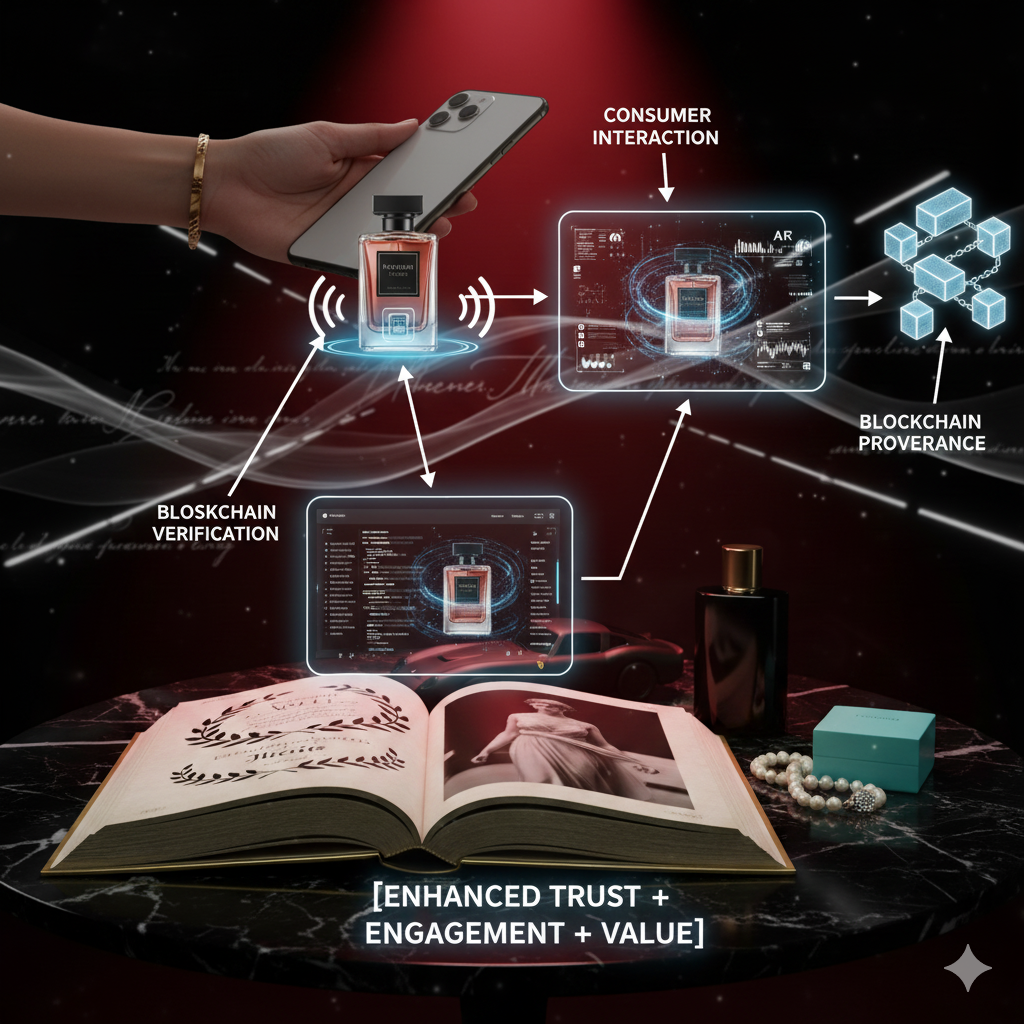
Technology is not just a tool—it’s a component of luxury identity. NFC (Near Field Communication), AR (Augmented Reality), and blockchain are redefining authenticity, engagement, and ownership in the premium segment.
NFC & AR in Retail
- NFC-enabled products: Authenticate luxury items and provide interactive content.
- AR experiences: Allow consumers to visualize furniture, fashion, or jewelry virtually before purchase.
Blockchain for Provenance
- Track origin, authenticity, and ownership of luxury items.
- Protect brands and consumers from counterfeits.
- Enable fractional ownership of rare collectibles through NFTs.
Tech-Driven Luxury Experience. Integrating these technologies ensures that luxury purchases are not just transactions—they are experiences, verified and personalized.
The Rise of Silent Luxury Trends
“Silent luxury” is defined by understated elegance rather than conspicuous logos. This trend resonates strongly with younger generations who value subtlety, exclusivity, and craftsmanship over overt branding.
Characteristics of Silent Luxury:
- Minimalist design with superior quality.
- Focus on artisanal techniques rather than brand names.
- Limited editions and bespoke services.
This trend demonstrates a shift from external validation to personal satisfaction, where owning luxury is more about emotional connection than social recognition.
Ethical Production for Premium Positioning
Ethical production is no longer optional; it has become a strategic differentiator. Modern elites are scrutinizing the moral footprint of their purchases.
Key Practices
- Fair wages for artisans.
- Supply chain transparency from raw material to retail.
- Commitment to zero waste or circular design.
Brands embedding ethics into their DNA are rewarded with stronger loyalty and market credibility, reinforcing that luxury can coexist with conscience.
Future-Focused Digital Collectibles
Digital assets like NFTs, virtual fashion, and digital art are gaining traction among luxury consumers. These collectibles offer scarcity, ownership, and status in the virtual world—mirroring the exclusivity of physical luxury.
Why Digital Luxury Matters
- Appeals to tech-savvy affluent consumers.
- Enables fractional ownership of high-value digital art.
- Provides a new revenue stream for brands through limited digital editions.
Practical Tip for Brands: Pair physical luxury products with digital counterparts to offer a hybrid ownership experience that merges physical and virtual prestige.
Ultra-Private Experiences of Tomorrow
High-net-worth consumers increasingly prioritize privacy and exclusivity over public display. Ultra-private events, bespoke travel, and invitation-only experiences define the luxury lifestyle of tomorrow.
Examples Include:
- Private island retreats with personalized itineraries.
- Curated art exhibitions for select clientele.
- Personalized wellness journeys with expert guidance.
By offering privacy and exclusivity, brands reinforce scarcity, a core principle of premium value.
Generational Wealth & New Luxury Behavior
Luxury consumption is evolving alongside generational wealth transfer. Millennials and Gen Z are redefining luxury priorities—favoring experiences, ethical brands, and tech-enabled personalization over traditional markers of wealth.
Key Observations:
- Preference for sustainable and experiential luxury.
- High engagement with digital platforms and virtual communities.
- Willingness to pay premiums for purpose-driven brands.
Brands that understand these behavioral shifts can anticipate demand and position themselves as leaders in the luxury market of the future.
Growth Tip for Luxury Brands
Focus on integrating innovation, sustainability, and digital experiences to create a holistic luxury ecosystem. By doing so, brands can capture emerging affluent consumers while reinforcing long-term prestige and loyalty.
Conclusion
The future of luxury is being reshaped by innovation, sustainability, and evolving consumer behavior. Status is no longer measured by logos alone; it encompasses ethics, technology, personalization, and ultra-exclusive experiences. Brands that embrace AI-driven personalization, tech integration, silent luxury, ethical production, and digital collectibles will thrive in the new luxury landscape.
For marketers and entrepreneurs, the key takeaway is clear: luxury is moving from material excess to conscious, experience-driven prestige. By aligning offerings with these emerging trends, brands can not only retain existing clientele but also attract the new elite who define tomorrow’s premium market.
Luxury is no longer just a possession—it’s an experience, a statement, and a responsibility
Explore further resources on luxury marketing strategies, sustainability in premium brands, and digital innovation to stay ahead in this evolving market.