

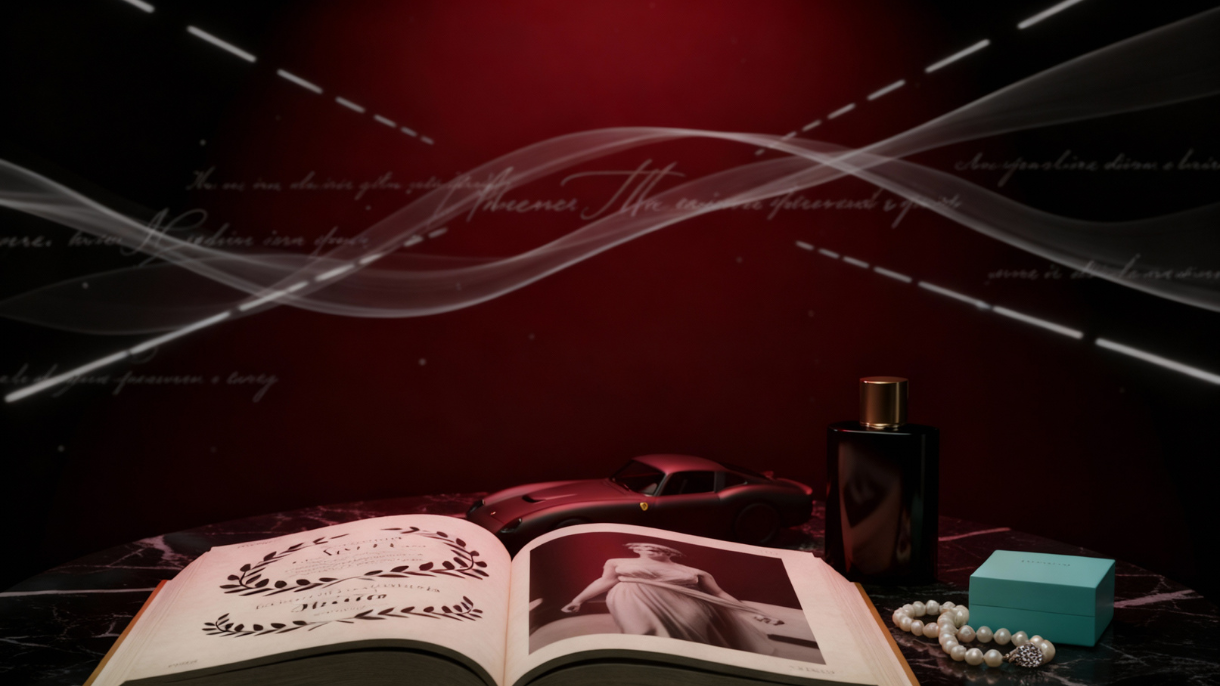

Luxury is not about money; it’s about meaning. Every great brand begins with a story.— Hasibur Rahman Ovi
The Invisible Power of Storytelling in Luxury
Every remarkable luxury brand begins not with a product, but with a purpose that becomes legend. The world’s most desired brands don’t just sell; they inspire, evoke, and symbolize.
When people buy a Chanel bag, a Ferrari car, or a Tiffany diamond, they are not just making a purchase. They are investing in emotion, belonging, and aspiration. This is the art of luxury storytelling — turning craftsmanship into culture.
For business owners, understanding this art means learning how to transform your product from a simple commodity into an emotional experience. This article explores how storytelling shapes value, creates loyalty, and transforms brands into timeless icons.
Why Storytelling Drives Premium Sales
Storytelling makes customers feel connected before they even touch the product. Data shows that emotional storytelling increases perceived value, and this principle holds stronger in the luxury world than anywhere else.
When a brand expresses purpose through narrative, it stops competing on price and begins to compete on perception.
How storytelling influences luxury sales:
- Creates identity: People use luxury items to express who they are or wish to become.
- Builds trust: Narratives communicate honesty and intention.
- Increases value: A compelling story turns material into meaning.
- Fosters loyalty: Customers who share your story stay longer.
Example: Rolex doesn’t just market watches; it tells stories of achievement, exploration, and excellence. The product represents time, but the story represents legacy.
The Blueprint of a Luxury Narrative
Every great luxury story follows a structure — from origin to vision. Below is a framework that helps business owners shape stories that last.
| Element | Purpose | Example |
|---|---|---|
| Origin | Explains why the brand began | Chanel: Born from rebellion |
| Philosophy | The belief that guides every decision | Rolls-Royce: Pursuit of perfection |
| Symbolism | Distinct elements that make the brand recognizable | Tiffany: Blue box |
| Legacy | The connection across generations | Cartier: Royal heritage |
| Vision | The modern promise to stay relevant | Gucci: Digital creativity |
This structure keeps your story both classic and contemporary. It ensures that your message resonates with emotion while maintaining authority.
Emotional Anchors: Love, Power, and Legacy
Luxury storytelling is built on emotions, not logic. Three timeless emotions drive every memorable brand:
- Love — The emotion of attraction, intimacy, and beauty. Dior’s campaigns reflect eternal romance rather than perfume ingredients.
- Power — The feeling of mastery and influence. Ferrari evokes victory and control, not machinery.
- Legacy — The desire to belong to something enduring. Cartier and Rolex connect every product to history and endurance.
Luxury storytelling begins where logic ends and emotion takes over.
If your story connects with these emotions, customers will pay more because they feel more.
Crafting Cultural Relevance
Luxury doesn’t survive by staying the same; it evolves through cultural conversation. To remain relevant, a brand must adapt its story to reflect social values and modern aesthetics.
Steps to achieve cultural relevance:
- Listen to society: Understand what your audience values today — freedom, sustainability, individuality.
- Blend past and present: Keep your heritage intact but reinterpret it for the modern world.
- Collaborate wisely: Partner with creative voices that add depth, not distraction.
- Be purpose-driven: The new generation of luxury buyers looks for meaning beyond possession.
A culturally aware story allows your brand to move with the times without losing its soul.
Visual Storytelling in the Digital Era
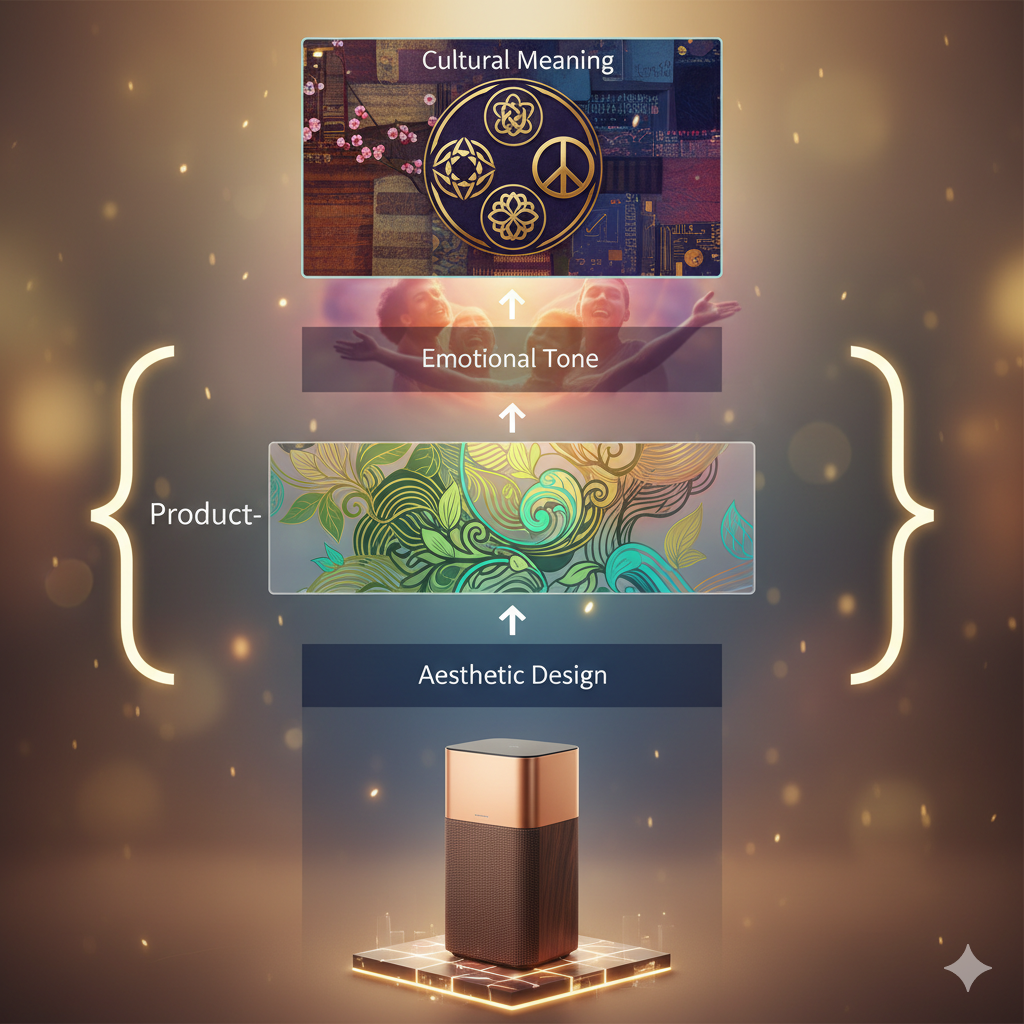
Luxury is experienced through the senses. In a digital world, visuals communicate far faster than words. A single image can convey emotion, heritage, and exclusivity.
[]
▲ []
[]
▲[]
[]
Visual storytelling principles:
- Keep your color palette consistent.
- Use photography that evokes emotion, not just beauty.
- Present products slowly; luxury thrives in calmness.
- Use video as cinematic storytelling rather than advertising.
Example: Tiffany’s “Believe in Dreams” campaign used soft lighting and subtle movement to create emotion before showing the product. The result was art that sold aspiration.
Rituals and Symbolism in Brand Experience
Luxury becomes unforgettable through ritual and symbolism. Every ritual tells a silent story that reinforces emotion.
Examples of rituals:
- The slow unveiling of an Hermès scarf from its box.
- The first ignition of a Ferrari engine before sunrise.
- The quiet exchange of a Tiffany engagement ring.
For small business owners, rituals can be simple — handwritten notes, personal packaging, or curated delivery experiences. The key is to make your audience feel special at every interaction.
Founder Story vs Hero Story
Every brand must decide whose story it tells — the creator’s or the customer’s.
| Story Type | Focus | Strength | Ideal Use |
|---|---|---|---|
| Founder Story | The creator’s vision and struggle | Builds authority and authenticity | Legacy and heritage brands |
| Hero Story | The customer’s journey and aspiration | Builds emotional connection | Lifestyle and modern brands |
Founder stories inspire belief. They show human struggle and craftsmanship.
Hero stories inspire participation. They turn the buyer into the main character.
The most powerful luxury brands combine both — the founder sets the purpose, and the customer completes the story.
Story Distribution That Scales
Having a great story is not enough; it must be told where emotion meets attention.
Effective storytelling channels:
- Social media — Focus on visuals and consistency.
- Brand journals — Publish essays, interviews, or creative content that expresses philosophy.
- Collaborations — Work with personalities who align with your values.
- Experiential events — Private launches or virtual showcases.
- Email storytelling — Share experiences, not promotions.
Storytelling thrives when every channel feels like a chapter of one ongoing journey.
Viral Luxury: When Culture Turns Brands into Icons
Luxury becomes a cultural symbol when storytelling captures imagination. It happens when a brand’s narrative becomes shorthand for emotion and aspiration.
- Ferrari is not just a car; it’s ambition in motion. Every engine is a continuation of Enzo Ferrari’s dream.
- Chanel is not just fashion; it’s liberation wrapped in elegance. Every design reflects the courage to defy convention.
- Tiffany & Co. is not about jewelry; it’s about promises and moments that define love.
These brands thrive because their stories live in people’s hearts, not just in advertisements.
Case Studies: Ferrari, Chanel, and Tiffany
Ferrari — Performance as Passion
The Ferrari story began with a racer’s dream to blend performance with art. Each vehicle embodies motion, precision, and victory. Ferrari tells a story of speed as beauty, not as aggression.
Chanel — The Rebellion of Grace
Coco Chanel turned rebellion into elegance. She rejected restrictions and gave women comfort with power. Today, Chanel’s storytelling continues to champion confidence and freedom through timeless design.
Tiffany & Co. — The Promise of Forever
Tiffany transformed a box into a cultural icon. The “Tiffany Blue” color now represents purity, love, and legacy. Every campaign celebrates romance as something eternal.
These stories share a pattern — authenticity, emotion, and symbolism that transcend time.
Conclusion: Story is the Soul of Luxury
The essence of luxury storytelling is emotion translated into experience. Great brands don’t sell products; they sell belonging, memory, and identity.
When you craft a story rooted in truth, emotion, and purpose, your audience doesn’t just buy from you — they believe in you.
A luxury brand without a story is like a diamond without light — beautiful, but unseen.
As a business owner, start by defining your origin, choosing your emotional anchors, and expressing them through every visual and word. The result will be more than a brand; it will be a legacy.