

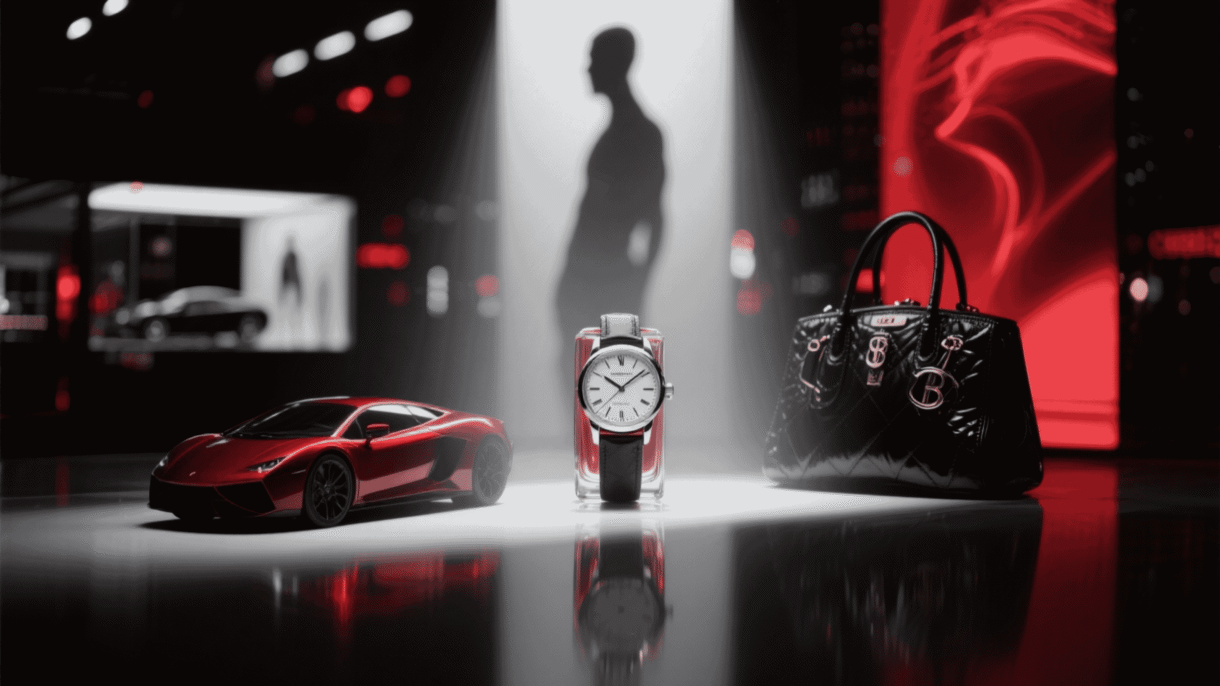

Luxury is not about necessity — it’s about emotional elevation. — Jean-Noël Kapferer
Luxury is one of the most fascinating dimensions of human psychology and marketing. From the shimmering windows of Dior to the iconic crown of Rolex, luxury brands don’t just sell products — they sell meaning, identity, and aspiration.
For marketers and entrepreneurs, understanding the psychology behind luxury is like unlocking a master key to influence. Luxury consumption isn’t driven by logic or function — it’s driven by emotion, perception, and desire.
But how do brands transform ordinary products into objects of obsession?
Why do people willingly pay ten times more for something that performs the same function?
In this article, we’ll dive into the deep layers of luxury psychology — exploring how scarcity, storytelling, pricing, and emotional triggers work together to build brands that people don’t just buy, but believe in.
Luxury Isn’t a Product — It’s a Status Signal
Luxury is first and foremost a status symbol. People don’t buy a $5,000 handbag because it holds things better — they buy it because it signals power, taste, and belonging to a higher social group.
Psychologically, this behavior ties to Thorstein Veblen’s theory of conspicuous consumption, which states that consumers purchase high-priced goods not just for utility but for prestige.
For marketers:
- Luxury = identity reinforcement.
- The product becomes a social language.
Example:
When someone wears a Cartier watch, they’re not telling time — they’re telling the world who they are.
Key Insight:
Luxury branding is not about the product category but about the psychological category it occupies in the consumer’s mind.
Why Scarcity Creates Obsession
Scarcity fuels desire. When something is hard to get, it immediately becomes more valuable.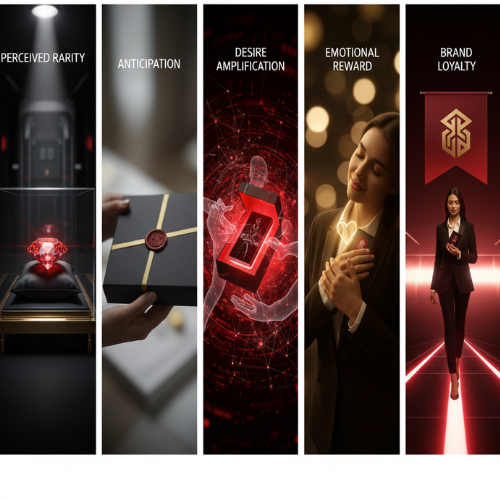
Psychologically, this is known as the Scarcity Principle (Robert Cialdini). Limited editions, waiting lists, and exclusivity programs all trigger the brain’s fear of missing out (FOMO) and reward anticipation.
Examples:
- Hermès’ Birkin bag waiting list is legendary — sometimes years long.
- Supreme’s “drop culture” thrives on scarcity-driven hype.
Marketer’s Takeaway:
Scarcity works only when it aligns with authentic brand value. Overuse it, and it feels manipulative. Use it strategically, and you create timeless demand.
Pricing as a Power Move: The High-Price Effect
High prices don’t just reflect luxury — they create it.
The “Price-Quality Heuristic” shows that consumers often associate higher prices with higher quality and prestige.
Table: The Psychology Behind Luxury Pricing
| Strategy | Description | Example |
|---|---|---|
| Price Anchoring | Introduce a higher-priced item to make others seem affordable | Rolex Daytona beside Submariner |
| Exclusivity Pricing | Set intentionally high prices to signal rarity | Hermès, Louis Vuitton |
| Premium Decoy | Offer a “super-premium” version to drive mid-tier purchases | Apple’s iPhone Pro series |
Pro Insight:
Luxury buyers aren’t comparing prices — they’re comparing feelings.
Your price must whisper: This is not for everyone.
Identity-Based Branding: “Buy Who You Want to Be”
Luxury is deeply intertwined with self-concept.
Consumers buy luxury not to express who they are — but who they aspire to become.
This is known as Identity Signaling in consumer psychology.
Example:
- Buying a Tesla isn’t just about driving electric — it’s about belonging to a future-focused, elite community.
- Wearing Dior perfume isn’t about scent — it’s about embodying confidence and grace.
For marketers:
When you position your brand as a mirror of aspiration, you tap into a consumer’s most personal motivations.
Emotional Triggers Used by Luxury Brands
Luxury brands are masters of emotion. They activate the subconscious drivers that shape buying behavior.
Top Emotional Triggers in Luxury Marketing:
- Desire for Distinction – People crave separation from the crowd.
- Emotional Reward – The pride of owning something rare.
- Fear of Missing Out – Limited drops heighten urgency.
- Belonging to an Elite Circle – The psychological comfort of “being among the few.”
In luxury, emotion is currency. Rationality doesn’t sell exclusivity.” — Michele Norsa, former CEO, Salvatore Ferragamo
Marketing Application:
Use emotionally charged storytelling to make customers feel something rare before they buy something rare.
The Role of Heritage & Legacy Narratives
Luxury thrives on history. A brand’s heritage is its most powerful differentiator in a fast-changing market.
Consumers trust and admire brands that connect their products to timeless craftsmanship, family lineage, or historical innovation.
Example:
- Rolex links each watch to exploration and adventure.
- Chanel roots its identity in timeless Parisian elegance.
Strategy for Entrepreneurs:
Build a “micro-heritage.” Even if your brand is new, emphasize craftsmanship, process, or purpose. Create your own legacy narrative.
Sensory Branding & Exclusivity Effects
Luxury is a multi-sensory experience. From the scent in a Louis Vuitton store to the texture of a Hermès leather strap, every detail communicates exclusivity.
Sensory Touchpoints That Define Luxury:
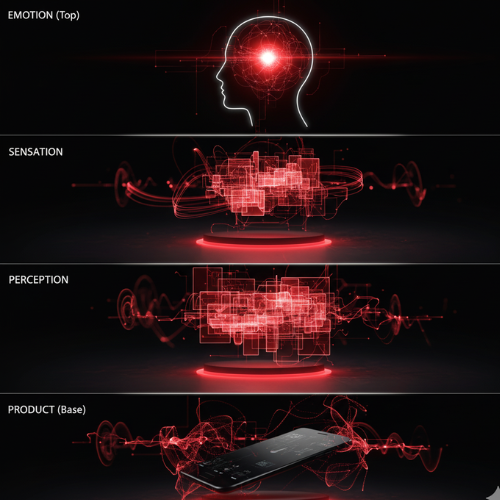
- Visuals: Elegant typography, minimalist design, color psychology (black, gold, white).
- Sound: Subtle music to influence mood.
- Touch: Premium packaging that feels expensive.
- Smell: Custom fragrances evoke memory and emotion.
Luxury isn’t just seen — it’s felt.
Social Proof in High-End Markets
Even the most exclusive brands depend on social validation.
In luxury, who else buys it matters as much as what it is.
That’s why celebrities, cultural icons, and ultra-high-net-worth individuals shape desirability.
Forms of Social Proof:
-
Celebrity endorsements (e.g., Zendaya for Valentino)
-
Association with elite events (e.g., Cannes, Met Gala)
-
Peer validation through visible consumption
Insight:
Luxury thrives in visibility — but controlled visibility. The brand decides how much the world can see.
Influencer Strategy for Luxury Brands
Luxury influencers are not about volume — they’re about credibility and alignment.
High-end brands partner with micro and macro influencers who reflect their values rather than chase reach.
Best Practices for Marketers:
- Focus on storytelling, not sponsorship.
- Choose influencers with authentic brand fit.
- Encourage narrative-driven campaigns (behind-the-scenes, craftsmanship stories).
Example:
Dior’s collaborations with fashion storytellers on Instagram create emotional immersion, not product promotion.
Building a Desire Engine for Continuous Demand
Luxury demand isn’t accidental — it’s engineered.
Brands use a continuous “Desire Engine” to maintain long-term obsession.
The 5-Step Desire Engine:
- Rarity – Limit access to increase value.
- Symbolism – Connect products with cultural meaning.
- Storytelling – Craft emotional narratives.
- Social Proof – Align with aspirational figures.
- Reinforcement – Deliver consistent sensory and emotional experiences.
Entrepreneur Insight:
Think beyond sales — build an ecosystem of desire. Every touchpoint should amplify your brand’s myth.
Case Study: Rolex, Dior, Hermès
Rolex:
Positions itself as a symbol of achievement. Its communication focuses on milestones, craftsmanship, and adventure — never discounts, never rushes.
Dior:
Masters emotional storytelling through fashion and fragrance. Each campaign blends art, femininity, and aspiration.
Hermès:
Builds desire through silence and scarcity. No aggressive marketing, no celebrity overuse — only excellence and legacy.
| Brand | Core Strategy | Psychological Lever |
|---|---|---|
| Rolex | Achievement storytelling | Success validation |
| Dior | Emotional art direction | Desire and identity |
| Hermès | Controlled scarcity | Exclusivity and pride |
Each brand transforms its marketing into a psychological journey — not just a sales funnel.
Conclusion
Luxury isn’t about excess — it’s about meaning.
Premium brands win not because they shout louder, but because they understand human desire deeper.
For marketers and entrepreneurs, the lesson is clear:
Build value perception, craft emotion-driven storytelling, and engineer scarcity with purpose.
When your brand becomes a symbol — not a product — customers won’t just buy it; they’ll chase it.
Luxury Growth Insight:
Instead of expanding your customer base, increase your brand’s perceived value through limited editions, artistic collaborations, and elite storytelling.
In luxury, less reach can mean more revenue.